Read a Book: A Designer’s Honest Review for Real Embroidery Use
First Impressions: Playful, Whimsical, and Perfectly Poised for School Themes
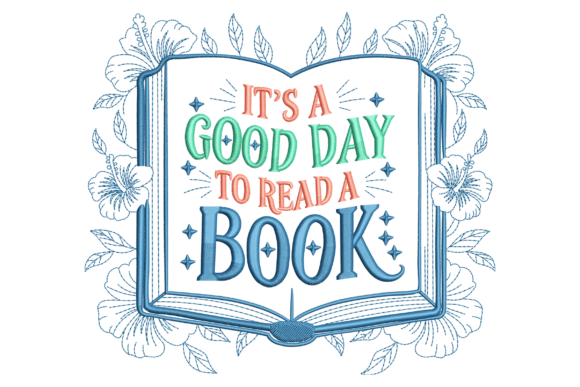
When I first opened the Read a Book embroidery design, I was struck by how effortlessly it balances charm and clarity. It’s the kind of design that feels both nostalgic and fresh—like a storybook illustration that’s been stitched into fabric. The layout is clean, with a soft curve to the text that gives it movement without sacrificing readability. It’s clearly aimed at a school or literary theme, but it’s not overly juvenile, which makes it versatile for a range of age groups and product types.
The design’s visual personality leans toward the whimsical side, which is great for handmade gifts, boutique apparel, and even small shop merchandise. The font style is decorative but not overly stylized, so it doesn’t lose clarity when stitched out. That’s a big win in my book, especially when you’re designing for real-world use like personalized tote bags or embroidered baby clothes.
Real-World Stitching: How Read a Book Performs in Actual Projects
I tested the Read a Book design on a few different materials to see how it holds up beyond the screen. I started with a cotton tote bag—always a good test for text-heavy embroidery. The stitch-out was clean, with no noticeable distortion in the lettering. The satin and fill stitches played well together, giving the design a polished edge without looking too dense or heavy.
Next, I tried it on a sweatshirt. The texture of the fabric definitely made a difference. The design still read clearly, but I noticed that the more textured the material, the more I appreciated the spacing between the letters. It prevented the whole thing from getting lost in the fabric’s nap. I’d recommend using a medium-weight stabilizer here, especially if the garment is going to be washed frequently.
I also stitched it onto a baby onesie. The softness of the theme paired perfectly with the gentle colors I chose. It added a sweet, storybook charm without overwhelming the tiny garment. That’s a key strength of this design—it adapts well to different contexts while keeping its identity intact.
Where Read a Book Shines Best
- Personalized Tote Bags – The size and clarity make it ideal for tote bags, especially if you’re selling on Etsy or at craft fairs.
- Custom Sweatshirts – Works well for school-themed apparel, especially when paired with a coordinating applique or patch design.
- Baby Clothes – Its gentle, playful feel is perfect for onesies, burp cloths, or baby blankets.
- Home Decor – I tried it on a tea towel and a pillow cover, and it added a nice literary touch without being too literal.
- Commercial Embroidery – For small businesses or boutique shops, this design can be a go-to for seasonal or back-to-school promotions.
Watch These Areas When Using Read a Book
Like any machine embroidery design, Read a Book has its sweet spots and some areas where you’ll need to tread carefully:
- Small Hoop Sizes – If you’re working with a limited hoop space, this design might need scaling or trimming to fit without losing legibility.
- Textured Fabrics – While it holds up well, you’ll want to test it on your specific material first, especially if it’s a thick or fuzzy fabric.
- Dark or Busy Backgrounds – The design doesn’t have a built-in outline, so consider adding one if you’re stitching it onto a dark or patterned fabric.
- Curved Surfaces – I tried it on a baseball cap and found that the curve distorted the bottom of the letters slightly. A hoop with a cap frame attachment helped, but it’s something to be aware of.
- Detailed Corners – There are a few small flourishes in the lettering that might not stitch perfectly on the first try. Check those areas closely, especially if you’re doing a large run for an Etsy listing or craft fair booth.
How Read a Book Boosts Your Product’s Appeal and Customer Trust
From a design perspective, Read a Book does more than just look good—it builds value. When you’re selling handmade or personalized products, the design is part of your brand’s visual language. This design reads as high-quality and thoughtful, which translates into customer trust, especially for Etsy sellers or small shop owners who rely on first impressions.
It also has a strong “giftability” factor. Whether you’re making holiday gifts, baby shower presents, or wedding favors, this design feels intentional and meaningful. It adds a layer of storytelling to your product, which is always a plus when you’re trying to connect with buyers emotionally.
For digital product sellers, this embroidery file is a solid addition to your design assets. It works well in printable mockups and digital previews, especially if you’re creating themed bundles or seasonal collections. Just make sure you double-check the licensing before including it in any commercial digital product.
Designer Notes: What to Check Before You Stitch
Before you dive into stitching Read a Book for your next project, here are a few practical steps to follow:
- Test on Scrap Fabric – Always a good idea, especially if you’re using a new stabilizer or thread combo.
- Check Thread Color Contrast – Some of the finer details might get lost if your thread is too light or too dark against the fabric.
- Review Stitch Density – Especially important for fill stitches in the letters. Too dense and it’ll pucker; too loose and it’ll look sparse.
- Confirm Hoop Size – Make sure the design fits your machine’s hoop without needing aggressive scaling.
- Inspect Small Details – Look closely at the ends of the letters and any decorative flourishes to ensure they stitch cleanly.
- Test in Black and White – Sometimes color can mask issues. A grayscale mockup can help you spot flaws in clarity or contrast.
- Compare Light and Dark Fabric Backgrounds – As mentioned, this design may need a slight adjustment depending on your base material.
- Use Proper Stabilizer – Especially important for stretchy or thin fabrics. A cut-away or tear-away stabilizer can make all the difference.
- Check Licensing – If you’re selling finished items or digital embroidery files, make sure you have the right to do so with this design.
Final Thoughts: A Thoughtful, Versatile Design for Real Embroidery Work
In the end, Read a Book earns a solid spot in my embroidery library. It’s not just a pretty design—it’s a practical one. It works across a range of fabrics and product types, maintains clarity under different stitching conditions, and brings a sense of charm that’s hard to replicate with a generic font.
Whether you’re a craft business owner, an Etsy seller, or a hobbyist looking to elevate your handmade gifts, this embroidery file is worth considering. Just remember to test it thoroughly and adapt it to your specific needs. After all, the best embroidery designs aren’t just about looking good—they’re about working well in real life.